
Call: 95005 55344
Book an Appointment

Neurosurgery

Neurosurgery Neurosurgery hospital in Madurai

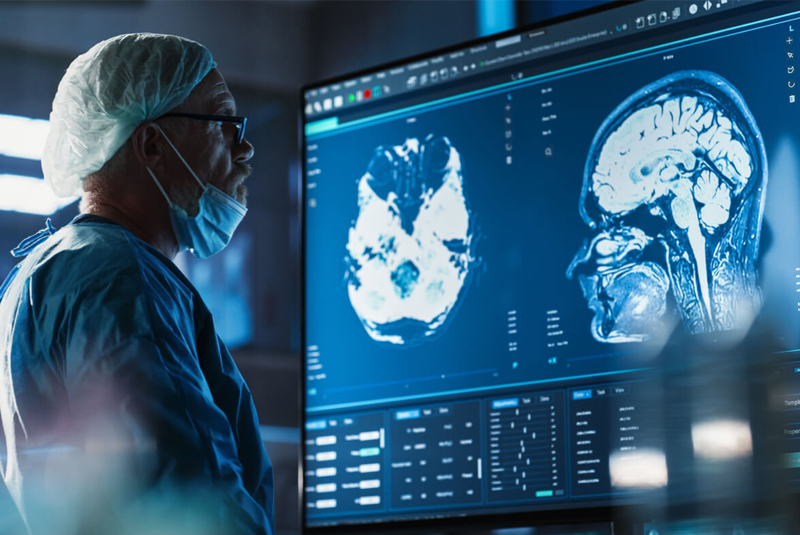
Neurosurgery is a specialized branch of medicine focused on the diagnosis and treatment of disorders affecting the brain, spinal cord, and peripheral nervous system. At Devadoss Hospital, we provide advanced neurosurgical care using state-of-the-art technology and modern surgical techniques to achieve the best possible patient outcomes. Our experienced neurosurgeons are dedicated to delivering comprehensive, personalized, and compassionate care, making us a trusted destination for neurosurgery in Madurai.

At Devadoss Hospital, a trusted neurosurgery hospital in Madurai, our experienced neurosurgeons use advanced technology and modern surgical techniques to diagnose and treat a wide range of neurological disorders with precision. Our patient-centered approach ensures personalized care tailored to each individual’s condition, helping achieve the best possible outcomes. By combining clinical expertise, state-of-the-art infrastructure, and compassionate care, we provide comprehensive neurosurgical services for patients across the region.

Watch video
Book an Appointment
Please enable JavaScript in your browser to complete this form.

What is Neurosurgery?

Neurosurgery involves advanced surgical procedures to diagnose and treat a wide range of neurological conditions affecting the brain, spine, and peripheral nerves. These procedures are performed to manage injuries, diseases, tumors, and congenital disorders. Our experienced neurosurgeons utilize advanced technology and modern surgical techniques to perform complex procedures with precision, helping improve patients’ neurological health and overall quality of life.

Conditions Treated

As a trusted neurosurgery hospital in Madurai, Devadoss Hospital provides comprehensive diagnosis and treatment for a wide range of neurological conditions, including:

Brain Tumors

Both benign and malignant growths within the brain.

Spinal Stenosis

Trauma affecting the spinal cord that can result in loss of function.

Aneurysms

Abnormal bulging of blood vessels in the brain that can rupture.

Hydrocephalus

Accumulation of cerebrospinal fluid within the brain.

Epilepsy

Chronic neurological disorder causing recurrent seizures.

Parkinson’s Disease

Progressive disorder affecting movement and coordination.

Peripheral Nerve Disorders

Conditions affecting the nerves outside the brain and spinal cord, such as carpal tunnel syndrome.

Traumatic Brain Injury

Acute head injury causing brain damage.

Chiari Malformations

Structural defects in the base of the skull and cerebellum.

Spinal Disc Herniation

Displacement of the disc material causing nerve compression.

Treatments Offered

Our experienced neurosurgeons provide advanced, personalized treatment for a wide range of neurological disorders, including:

  • Craniotomy – Surgical removal of part of the bone from the skull to access the brain.

  • Brain Tumor Surgery – Treatment for  benign or malignant brain tumors.

  • Epilepsy Surgery – Procedures to reduce or eliminate seizures in epilepsy patients.

  • Spinal Surgery – Treatments for spinal conditions such as herniated discs and spinal stenosis.

  • Stroke Surgery – Surgical intervention to treat or prevent strokes.

  • Concussion Surgery – Procedures to address severe traumatic brain injuries resulting in concussions.

  • Spinal Fusion – Joining two or more vertebrae to stabilize the spine.

  • Microvascular Decompression – Relieving abnormal compression of a cranial nerve.

  • Endoscopic Neurosurgery – Minimally invasive procedures using an endoscope.

  • Deep Brain Stimulation (DBS) – Implanting electrodes to stimulate specific brain areas.

  • Stereotactic Surgery – Precise targeting of brain areas using three-dimensional coordinates

  • Lumbar Puncture – Diagnostic or therapeutic procedure involving the lower back.

  • Ventriculoperitoneal Shunt – Treating hydrocephalus by diverting fluid from the brain to the abdomen.

  • Peripheral Nerve Surgery – Repairing or decompressing damaged peripheral nerves.

  • Gamma Knife Radiosurgery – Non-invasive treatment for brain tumors and abnormalities using focused radiation.

FACILITIESNeurosurgery Facilities

At Devadoss Hospital, our Department of Neurosurgery is equipped with advanced infrastructure, modern surgical technology, and comprehensive diagnostic facilities to deliver high-quality neurosurgical care. As a trusted neurosurgery hospital in Madurai, our experienced neurosurgeons provide precise diagnosis and advanced surgical treatment for a wide range of brain, spine, and peripheral nerve disorders. With a patient-centered approach and state-of-the-art facilities, we are committed to ensuring safe procedures, faster recovery, and improved clinical outcomes.

Our DoctorsMeet Our Dedicated & Experienced Doctor

Prof. Dr. N. Muthukumar

M.Ch., M.N.A.M.S., F.I.C.S., F.A.C.S., F.A.A.N.S.,

FaqFAQ's-Neuro Surgery

Neurosurgery is a specialized branch of medicine focused on the diagnosis, surgical treatment, and management of disorders affecting the brain, spine, and peripheral nervous system. It includes the treatment of conditions such as brain tumors, spinal disorders, traumatic brain injuries, aneurysms, and other neurological diseases using advanced surgical techniques and modern technology.

Recovery after neurosurgery varies depending on the type of procedure, the condition being treated, and the patient’s overall health. Most patients remain in the hospital for a few days following surgery, while complete recovery may take several weeks to months. Depending on the procedure, rehabilitation, including physical therapy and other supportive therapies, may be recommended to restore strength, mobility, and overall function.

The alternatives to neurosurgery vary depending on the condition and its severity. Many neurological disorders can be managed with medications, physical therapy, pain management, lifestyle modifications, or other non-surgical treatments. However, if these approaches do not provide adequate relief or the condition is progressive or life-threatening, neurosurgery may be recommended to improve function, relieve symptoms, and enhance quality of life.

Before undergoing neurosurgery, discuss the purpose of the procedure, its benefits, potential risks, expected recovery time, and available treatment alternatives with your neurosurgeon. You should also ask why the surgery is recommended, what results you can expect, and how to prepare for the procedure to make an informed treatment decision.

Robotic-assisted neurosurgery uses advanced robotic technology to assist the neurosurgeon in planning and performing highly precise surgical procedures. The robotic system enhances accuracy, stability, and visualization while the surgeon remains in complete control throughout the operation. In contrast, traditional neurosurgery is performed using conventional surgical techniques without robotic assistance. Depending on the patient’s condition, robotic-assisted surgery may offer benefits such as greater precision, smaller incisions, reduced tissue trauma, faster recovery, and improved surgical outcomes.

You should consult a neurosurgeon in Madurai if you experience conditions such as head injuries, brain tumors, spinal disorders, persistent back or neck pain with nerve symptoms, brain aneurysms, or other neurological disorders that may require surgical evaluation. Early consultation with an experienced neurosurgeon can help ensure timely diagnosis, appropriate treatment, and better clinical outcomes.

A neurosurgery hospital in Madurai offers comprehensive diagnosis and treatment for a wide range of neurological conditions, including brain tumors, spinal disorders, traumatic brain injuries, aneurysms, peripheral nerve disorders, and other diseases affecting the nervous system. Services typically include advanced neurodiagnostics, minimally invasive and complex neurosurgical procedures, rehabilitation, and personalized patient care for optimal recovery.