

Medically reviewed by: Dr. Vinoth – M.D.,D.M(Gastro) , Dr. Sethu Kannan – M.B.B,S., M.S. Dip, MAS. FALS (Hernia), FIAGES, Dr. Jagadesh Kumar – M.B.B,S., M.S. FALS (Hernia), FIAGES.
Have you ever had a stomach ache after a meal and just blamed the food? It happens. Most of us don’t think much about it if the pain goes away. But what if it keeps coming back?
Gallstones are one possible reason. They don’t always cause symptoms, and some people live with them without even knowing they have them. Others find out only when they experience a sudden bout of pain.
What exactly are gallstones?
The gallbladder is a small organ tucked under the liver. It stores bile, a fluid that helps the body digest fats. Sometimes, substances in the bile harden and form small stones.
These stones can be tiny, like grains, or much larger. Their size alone doesn’t tell you whether they’ll cause trouble. Some stay in the gallbladder without causing any problems. Others block the flow of bile, and that’s when symptoms can start.
The signs you shouldn’t brush aside
1. Pain in the upper abdomen
This is often the first thing people notice. The pain may be on the upper-right side of your abdomen, just below the ribs. Sometimes it spreads to the back or right shoulder.
It might start after a meal, particularly a heavy one. It may settle after some time, too. That’s partly why people tend to ignore it. But if the same pain keeps returning, don’t keep putting it down to indigestion.
2. Nausea or vomiting
Not everyone gets this, but gallstones can leave you feeling sick, especially during a painful episode. You might notice it after eating, or the nausea may come along with the abdominal pain.
Nausea on its own doesn’t mean you have gallstones. Many conditions can cause it. What matters is the pattern of symptoms and what else you’re experiencing.
3. Fever or chills
This needs more attention. If abdominal pain comes with fever or chills, there could be inflammation or an infection involving the gallbladder or bile ducts. Don’t wait for it to pass on its own. Seek urgent medical care.
4. Yellowing of the eyes or skin
Have you noticed a yellow tinge in the whites of your eyes? Gallstones can sometimes block a bile duct and cause jaundice. Dark urine and unusually pale stools may occur as well.
These signs require urgent medical assessment, particularly if accompanied by abdominal pain, fever or chills, as they may indicate a blocked or infected bile duct.
5. Pain that doesn’t go away
A brief episode of pain is one thing. Severe pain that continues for hours is another. It can be a sign of a complication, particularly if you also have vomiting, fever or jaundice.
If the pain is severe or persistent, get medical help straight away.
When should you see a doctor?
You don’t have to wait until the pain becomes unbearable. If you’ve had similar episodes more than once, it’s worth getting them checked. Even if the pain has gone by the time you see a doctor, tell them what happened, where it hurt and how long it lasted.
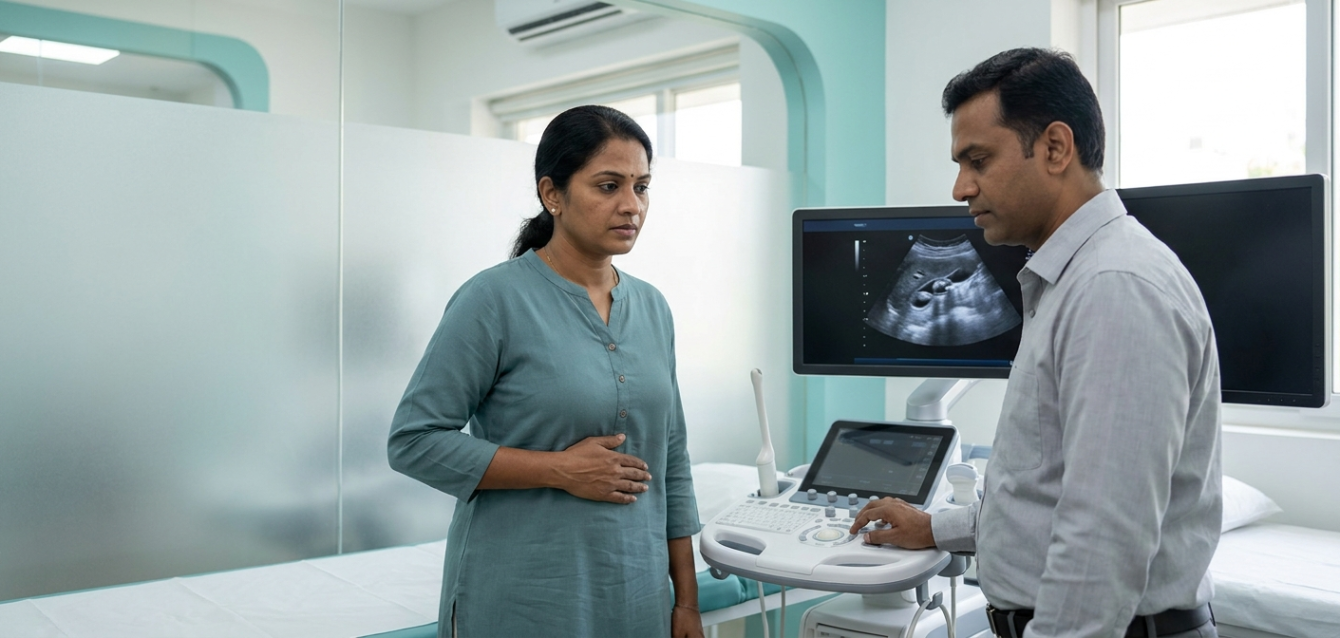
At Devadoss Hospital, our approach to gallstones treatment in Madurai starts with understanding your symptoms and finding out what’s causing them. Your doctor may recommend an ultrasound to check for stones. Blood tests may also be needed, depending on your symptoms.
Finding gallstones doesn’t automatically mean you need surgery that day. The decision depends on whether they’re causing problems and whether there are signs of complications.
Do all gallstones need surgery?
No. If gallstones are found during a scan done for another reason and aren’t causing symptoms, treatment may not be needed straight away. Your doctor can explain whether monitoring is appropriate.
It’s different when the stones cause repeated pain or lead to complications. In these cases, removing the gallbladder is often recommended.
If you’re unsure about your symptoms or diagnosis, speaking with our gallbladder specialist in Madurai at Devadoss Hospital can help you understand the findings and discuss what to do next.
What happens if surgery is needed?
The thought of surgery can be worrying, especially when you’ve only just found out what’s wrong. It’s natural to have questions about the procedure, the pain afterwards and how long you’ll be away from work.
Gallbladder removal is often performed using a technique called laparoscopic surgery. The surgeon makes a few small cuts and uses a camera and specialised instruments to remove the gallbladder. It usually involves a shorter recovery than open surgery, though recovery differs from person to person.
For suitable patients, our laparoscopic gallbladder surgery in Madurai may be an option at Devadoss Hospital. Your surgeon can explain whether this approach is right for you, what recovery may look like and when you can return to your usual routine.
If surgery is recommended, ask questions. Why is it needed? Are there other options? What should you expect afterwards? Discussing gallbladder stone surgery in Madurai with our treating team can help you make a decision with a clearer understanding of the benefits and risks.
Frequently Asked Questions
Can gallstones go away on their own?
Usually, established gallstones don’t simply disappear. Some stones may pass into the bile duct, but this can cause serious problems. Don’t assume that passing pain means the stones are gone.
Can you get gallstones even if you eat well?
Yes. Diet is only one part of the picture. Age, family history, certain medical conditions and other factors can also affect the risk. Gallstones aren’t always the result of eating the wrong foods.
Does everyone with gallstones need surgery?
No. People without symptoms may not need treatment immediately. Repeated painful episodes or complications are more likely to lead to a recommendation for surgery.
Can gallstones cause back pain?
They can. Pain may spread from the upper abdomen to the back or right shoulder. But back pain has many possible causes, so it needs to be considered alongside your other symptoms.
The pain stopped. Do I still need to get checked?
If it was severe, keeps returning or came with other symptoms, yes. Gallstone pain can settle and then return later. If you experienced severe pain, fever, chills or yellowing of the eyes or skin, seek urgent medical care even if some symptoms improve.